Understanding the psychology behind gambling: What drives the thrill?
The Attraction of Risk
The essence of gambling lies in its inherent risk. People are often drawn to uncertain outcomes, which heightens their emotional experience. This thrill can frequently be traced back to the adrenaline rush that comes from taking chances. This emotional high often overshadows any potential negatives, driving individuals to engage in gambling despite the inherent risks involved.
Moreover, the allure of potentially winning big also plays a critical role. The idea of hitting a jackpot or landing the perfect hand can be intoxicating, providing participants with a motivation to engage in games that push the boundaries of chance. For many, the thoughts of possibilities outweigh the fear of loss, making the thrill of the gamble incredibly enticing. Check out this ice fishing casino game for an example of risk-laden fun.
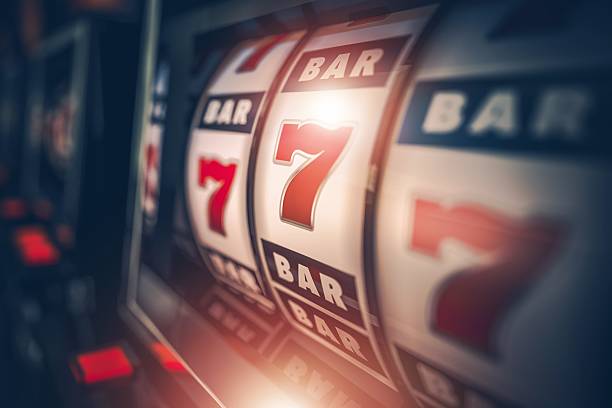
Additionally, the fun of gambling is often amplified in settings where the competition is high. Players can find a sense of camaraderie as they share in the collective excitement of uncertain outcomes, deepening the emotional stakes involved. This social dimension can transform individual experiences into shared adventures, further stimulating their desire to play. The combination of personal thrill and social engagement creates a powerful drive that keeps players returning for more.
The Role of Cognitive Biases
Cognitive biases are mental shortcuts that can often distort an individual’s perception of reality. In gambling, biases such as the illusion of control or gambler’s fallacy significantly influence decision-making processes. Players might believe that they can predict outcomes based on previous results, leading to irrational choices and riskier bets.
Additionally, the famous “near-miss” effect can play a pivotal role in creating a false sense of efficacy among gamblers. When a player comes close to winning, they may feel more inclined to continue playing, reinforcing the cycle of gambling despite eventual losses. This experience can lead to an overestimation of chances, making the gambler more likely to engage in further risky behavior.

Furthermore, the patterns formed by cognitive biases can create a feedback loop that reinforces gambling habits. Gamblers often convince themselves that their knowledge or skill can turn their fortune around, even in situations where luck is the primary factor. This belief can lead to persistent engagement in gambling activities, causing emotional and financial repercussions.
The Impact of Social Factors
The social environment surrounding gambling can contribute significantly to an individual’s motivation to gamble. Family traditions, peer influence, and societal norms can all create an environment that promotes gambling behavior. For some individuals, the social aspect of gambling, such as the camaraderie of friends at a casino or the excitement of participating in events like poker night, can be as compelling as the games themselves.
Moreover, social media has further facilitated the growth of gambling by creating communities that celebrate wins and share strategies. This connectivity can lead to an increased obsession with gambling, as individuals strive to match the successes of their peers. As social validation emerges as a critical driver, the social dimension of gambling takes on a newfound significance in the psychology of players.
Interestingly, the endorsement of gambling in popular culture also shapes attitudes towards these activities. Films, television shows, and celebrity endorsements can glamorize gambling, influencing perceptions among viewers. As gambling is framed as an exciting and glamorous pursuit, new players may feel drawn in, further perpetuating the cycle of gambling behaviors.
The Cycle of Wins and Losses
The dynamic between winning and losing can also reinforce gambling behavior. The initial encounter with victory can be memorable and deeply satisfying, creating a desire to replicate that feeling. However, continued losses might evoke feelings of frustration, leading some gamblers to chase those early wins, often at a steep personal cost.
This cyclical nature can lead to a dangerous addictive behavior pattern. The more one gambles, the harder it can be to resist the allure of the next potential win. This relentless pursuit of victory often obscures the reality of losses and can result in an escalation of gambling activities as players seek to recapture that initial thrill.
Furthermore, the cycle of wins and losses can have profound implications for emotional well-being. The highs associated with wins can lead to elation, while the lows from losses may induce deep feelings of despair or regret. Balancing these emotional extremes becomes increasingly difficult, which can spiral into deeper gambling activities as players attempt to attain that fleeting high.
Exploring Further with Our Website
To gain a deeper understanding of the psychological aspects surrounding gambling, our website offers a wealth of information and resources. Dedicated to educating and informing enthusiasts and casual players alike, we aim to shed light on the complexities of gambling behavior.
By exploring various articles, tips, and interactive content, individuals can not only enhance their understanding but also engage with a community that shares similar interests in the thrill of the gamble. Join us as we uncover the fascinating world of gambling psychology and its many dimensions.
As you navigate through our resources, you’ll find sections dedicated to responsible gaming practices, mental health considerations, and expert opinions that can further inform your gambling experiences. Whether you are a novice or a seasoned player, understanding the psychology behind gambling behaviors can empower you to make more informed decisions while enjoying the thrill of your favorite games.